
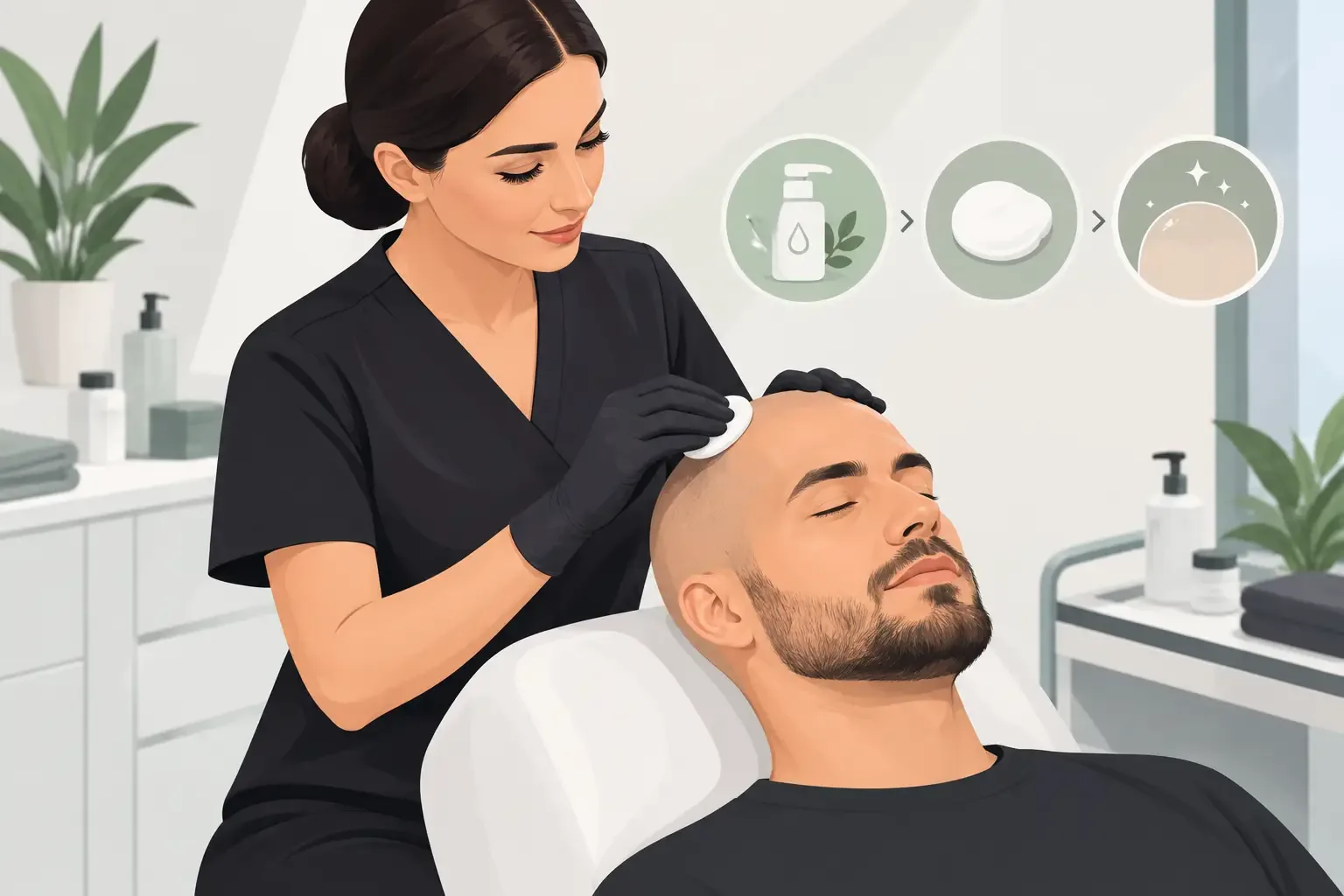
A beautiful camouflage tattoo result begins long before pigment touches the skin. Preparing skin for camouflage helps your artist assess how the area will accept color, select a realistic approach, and create coverage that softens the appearance of scars or stretch marks rather than drawing attention to them. The goal is never to make skin look artificial. It is to create a more balanced, blended appearance that supports your confidence.
Camouflage tattooing is a specialized form of paramedical tattooing. It uses custom-mixed skin-tone pigments to reduce the visual contrast between a healed concern and the surrounding skin. Because every scar, stretch mark pattern, and skin tone behaves differently, preparation is not a one-size-fits-all checklist. Healthy, stable skin and an honest consultation are the foundation of a natural-looking result.
What Skin Camouflage Can and Cannot Do
Skin camouflage can improve the appearance of hypopigmented scars, certain surgical scars, mature stretch marks, and areas with uneven tone after the skin has fully healed. By carefully layering pigment, a trained artist can make a light scar or stretch mark blend more naturally into the surrounding area.
It does not erase texture. If a scar is raised, indented, thick, or shiny, camouflage pigment may reduce color contrast but will not change the surface of the skin. This distinction matters. The most satisfying results happen when clients understand that paramedical tattooing is a visual restoration treatment, not a replacement for scar revision, medical care, or skin resurfacing.
The treatment is also not right for every concern. Active inflammation, open skin, recurring rashes, unstable keloid scars, or recently healed surgical areas need further time or medical clearance before tattooing is considered. An experienced specialist will protect your result by advising you to wait when waiting is the best choice.
Preparing Skin for Camouflage Starts With Timing
A scar may look healed on the surface while it is still changing underneath. New scars often remain red, pink, purple, itchy, or firm as collagen continues to remodel. Stretch marks can also shift in color and texture over time. Tattooing too early can lead to uneven pigment retention and a result that no longer matches the skin once healing settles.
In many cases, scars and stretch marks should be fully healed and stable for at least 12 months before camouflage tattooing. Some areas need longer, especially after surgery, trauma, burns, or procedures that affect deeper tissue. Your provider may recommend written approval from your physician or surgeon when appropriate.
Look for stability rather than relying on a calendar alone. The area should be closed, free from tenderness, and no longer actively changing in color or texture. If the skin feels fragile, frequently irritated, or sensitive to light touch, it may not be ready. Patience is part of precision care.
Begin With a Personalized Consultation
A consultation allows your artist to evaluate the concern in person, discuss your health history, and set clear expectations. Light, depth, skin undertone, scar texture, and the location on the body all influence the treatment plan. A pale scar on the hip behaves differently from a surgical scar on the chest, and both require a different approach than stretch marks on the abdomen or thighs.
Be prepared to share when the scar or stretch marks developed, whether you have received prior treatments, and how the area has healed in the past. Mention allergies, skin conditions, medications, pregnancy or nursing status, immune concerns, and any tendency toward keloid formation. These details are not formalities. They help your provider make an informed recommendation with your safety and long-term result in mind.
A skilled artist may perform a small test spot before a full session, particularly when working with sensitive skin, deeper skin tones, or areas with unpredictable texture. A test spot provides useful information about pigment retention and healing. It can add time to the process, but it may prevent disappointment later.
Support Healthy Skin in the Weeks Before Your Appointment
The treatment area should be calm, clean, and well cared for before your visit. Focus on gentle maintenance rather than trying a new product or aggressive treatment shortly before your appointment. Exfoliating acids, retinoids, strong brightening products, and scrubs can leave skin more sensitive or irritated, which is not ideal for a procedure that depends on healthy barrier function.
Moisturize regularly if your skin is dry, but avoid applying heavy lotion, oil, or body butter directly before your session unless your artist instructs otherwise. Hydrated skin is generally easier to assess and work with, while product residue on appointment day can interfere with proper cleansing and stencil placement.
Protect the area from tanning and sunburn. A tan changes the apparent tone of the surrounding skin, making it harder to create an accurate pigment match. More importantly, sun-exposed or sunburned skin is compromised skin. If your tone changes after your appointment, the camouflage area may appear different by comparison. Consistent sun protection helps preserve both your skin and your investment.
What to Avoid Before Camouflage Tattooing
Your artist will provide individualized pre-care instructions, especially if you have medical considerations. In general, avoid anything that increases sensitivity, irritation, or bleeding risk before your appointment. Do not schedule waxing, chemical peels, laser treatments, microneedling, or intense exfoliation on or near the treatment area close to your session.
Avoid alcohol for at least 24 hours before the appointment, as it can increase bleeding and affect the procedure. Limit caffeine if you know it makes you anxious, shaky, or more sensitive. Do not stop prescribed medication on your own. If you use blood-thinning medication or supplements that may affect bleeding, discuss this with the prescribing clinician and your camouflage specialist well in advance.
Arrive with clean skin and no makeup, self-tanner, fragrance, body oil, or numbing cream on the treatment area unless your provider has specifically approved it. Self-tanner is particularly problematic because it can distort the artist’s color assessment and create an inaccurate starting point.
Choose Clothing That Supports Comfort and Healing
Wear loose, clean clothing that provides easy access to the area without rubbing against it afterward. For abdominal stretch marks, a soft, relaxed waistband is often more comfortable than fitted shapewear or rigid denim. For scars on the shoulders, chest, or back, choose garments that will not create pressure or friction during the trip home.
Think beyond the appointment itself. Your skin will need a clean, low-friction environment while it begins healing. If your work, workout routine, or planned travel could expose the area to sweat, tight clothing, swimming, or sun, consider scheduling your session for a time when you can follow aftercare without rushing.
Build Your Expectations Around the Healing Process
Camouflage pigment heals gradually. The color you see immediately after treatment is not the final color. It may appear warmer, cooler, deeper, or more visible at first, then soften as the skin recovers. Scar tissue can retain pigment unevenly, so more than one session is common and often necessary for refined blending.
Your artist will choose pigment based on your current surrounding skin tone, undertone, and the tone of the scar or stretch mark. Because natural skin changes with seasons, sun exposure, hormones, weight fluctuation, and aging, a perfect match in every lighting condition is not a realistic promise. The standard to look for is a noticeably softer contrast and a natural-looking transition in everyday life.
Follow aftercare exactly as provided. Healing may include mild redness, dryness, tenderness, or light flaking. Do not pick or exfoliate the area, and avoid soaking, swimming, excessive sweating, and direct sun exposure for the period recommended by your artist. Proper aftercare protects pigment retention and gives the treated skin the best chance to settle evenly.